
Did you know that many skin problems don't arise despite intensive care, but precisely because of it? The more products we layer on the skin, the more confused it reacts. When I first truly understood this, I could hardly believe it, as I had elaborate routines that everyone was talking about, yet I considered them the solution. The truth was different: my over-cared-for skin didn't need more products; it needed a break. In this article, I'll show you how to recognize over-cared-for skin, how it develops – and what it really needs to breathe a sigh of relief.
What is over-cared-for skin – and how do you recognize it?
Over-cared-for skin, also known as overstimulated skin, occurs when too many skincare products overwhelm the skin's natural protective barrier. The skin reacts with redness, itching, tightness, or unexpected breakouts. Paradoxically, these are precisely the symptoms we might associate with too little care, although the cause is the opposite.
The skin has a delicate balancing system. Its outer protective layer, technically called the skin barrier or acid mantle, regulates moisture loss and protects against environmental influences. When we apply many products daily, we disrupt this system. Every additional active ingredient, every peel, every serum layer is an intervention that the skin must react to.
Too many ingredients can neutralize each other or irritate the skin. Fragrances, preservatives, emulsifiers – even in supposedly gentle products – can lead to overstimulation. Typical signs: unexplained redness, sudden dryness despite intensive care, itching, or a numb, burning sensation. The good news: once recognized, over-cared-for skin can be calmed surprisingly quickly with the right approach.

less can be more
How does overstimulation occur and what does it do to the skin?
Overstimulation occurs when the skin processes more influences than its protective barrier can handle. The main triggers are too many products simultaneously, frequent product changes, aggressive peels or cleansers, as well as fragrances and preservatives. Or even "clogging" mineral oils. Hormonal fluctuations and chronic stress also weaken the skin barrier and make it more susceptible to external irritants.
The most common mistake: when skin problems are noticed, people reach for even more products. Another serum, a stronger cream, a new active ingredient concentrate. But at this moment, the skin doesn't need intensive treatment; it needs relief.
Perioral dermatitis is a striking example. This skin condition, which manifests as redness and small nodules around the mouth or eyes, is often triggered by too many and too rich skincare products. The therapy is: a consistent product break! The skin needs to regain its own regulation. The choice of products also plays a central role. Many conventional lotions contain water as the main ingredient. And where there's water, preservatives are not far away.
Calming over-cared-for skin: What really helps
Over-cared-for skin calms down fastest through consistent reduction: fewer products, gentler ingredients, no peels in the acute phase. A break of 4–6 weeks with a maximum of one to two products has proven effective. Introduce new products slowly and give the skin at least six weeks to adapt, so the barrier stabilizes sustainably.
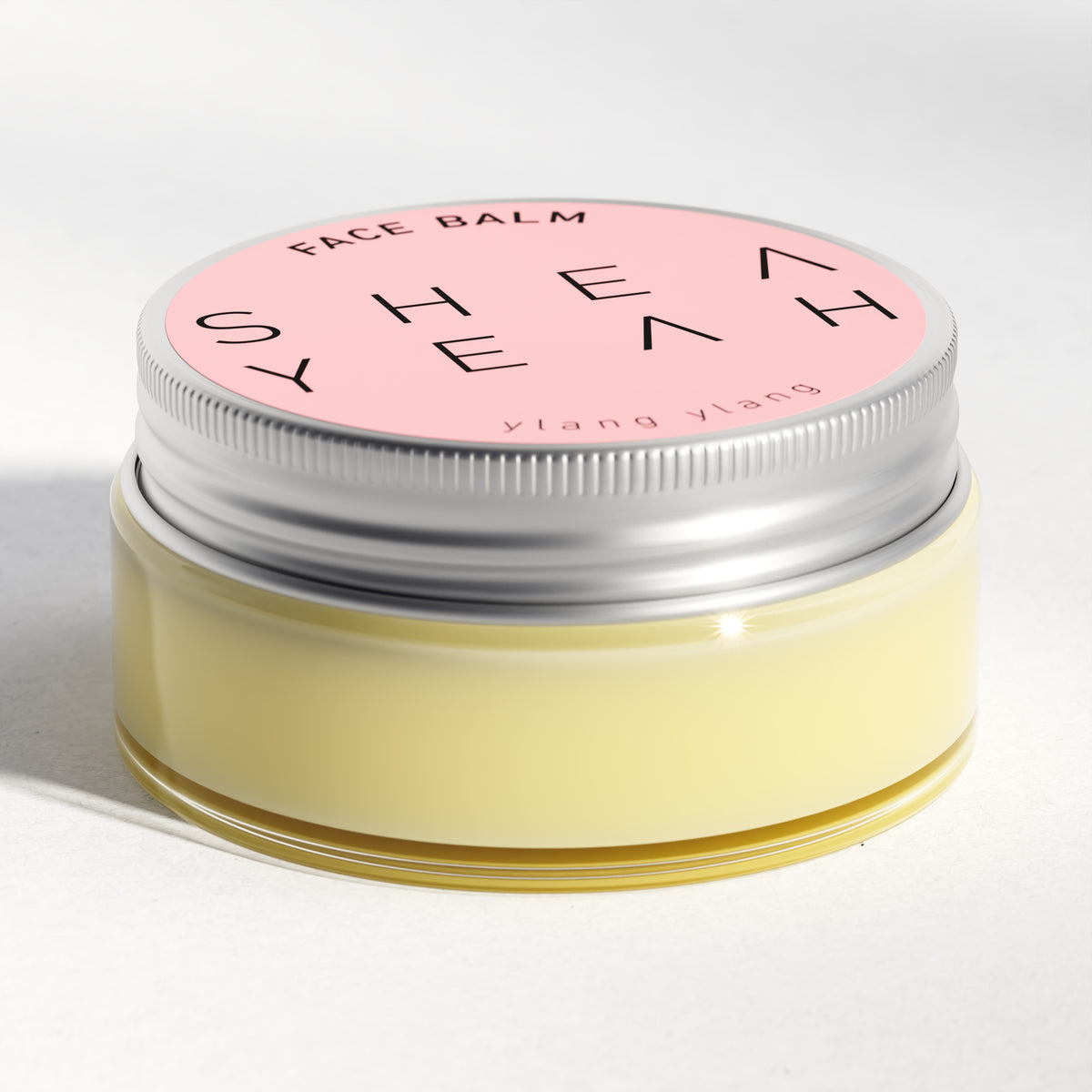
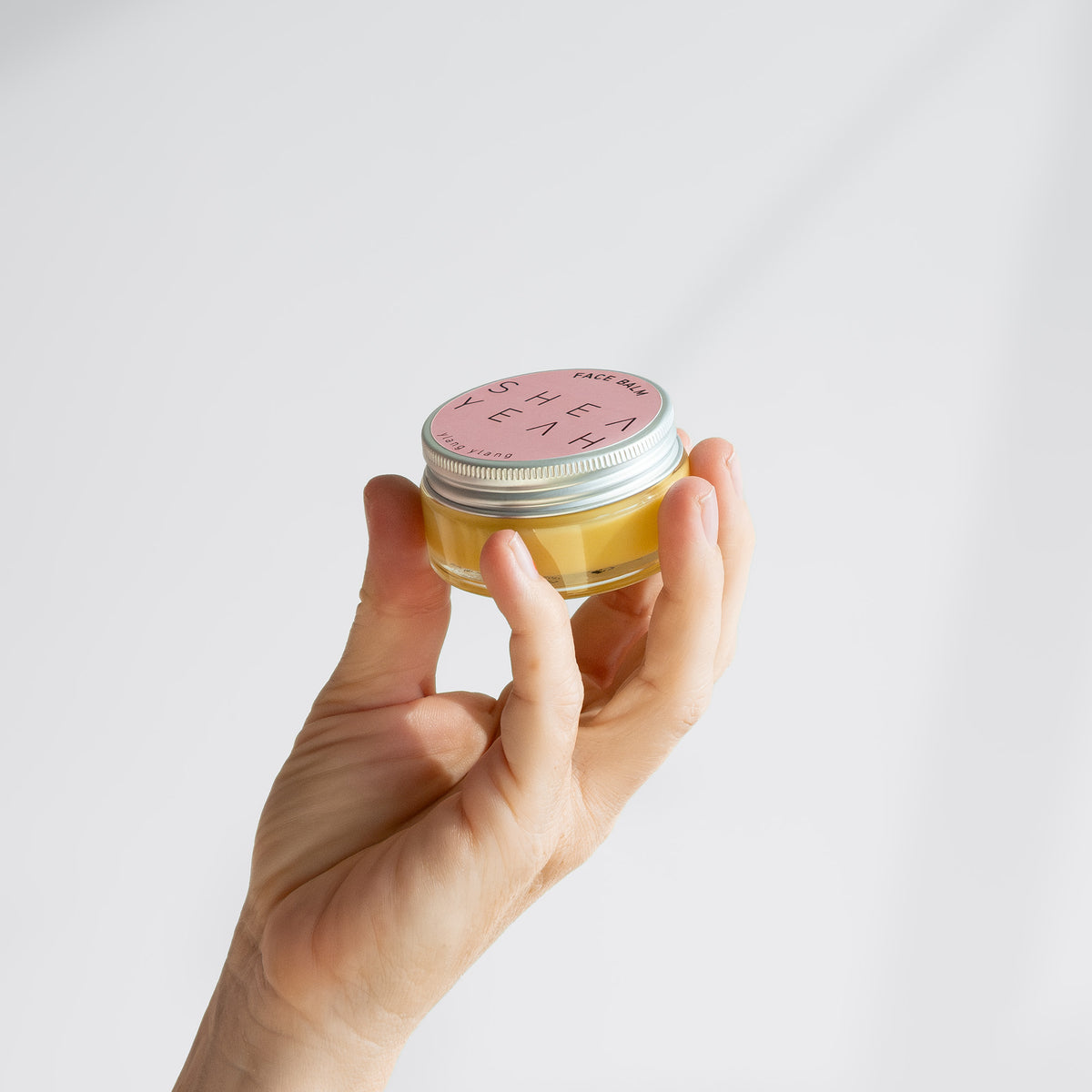
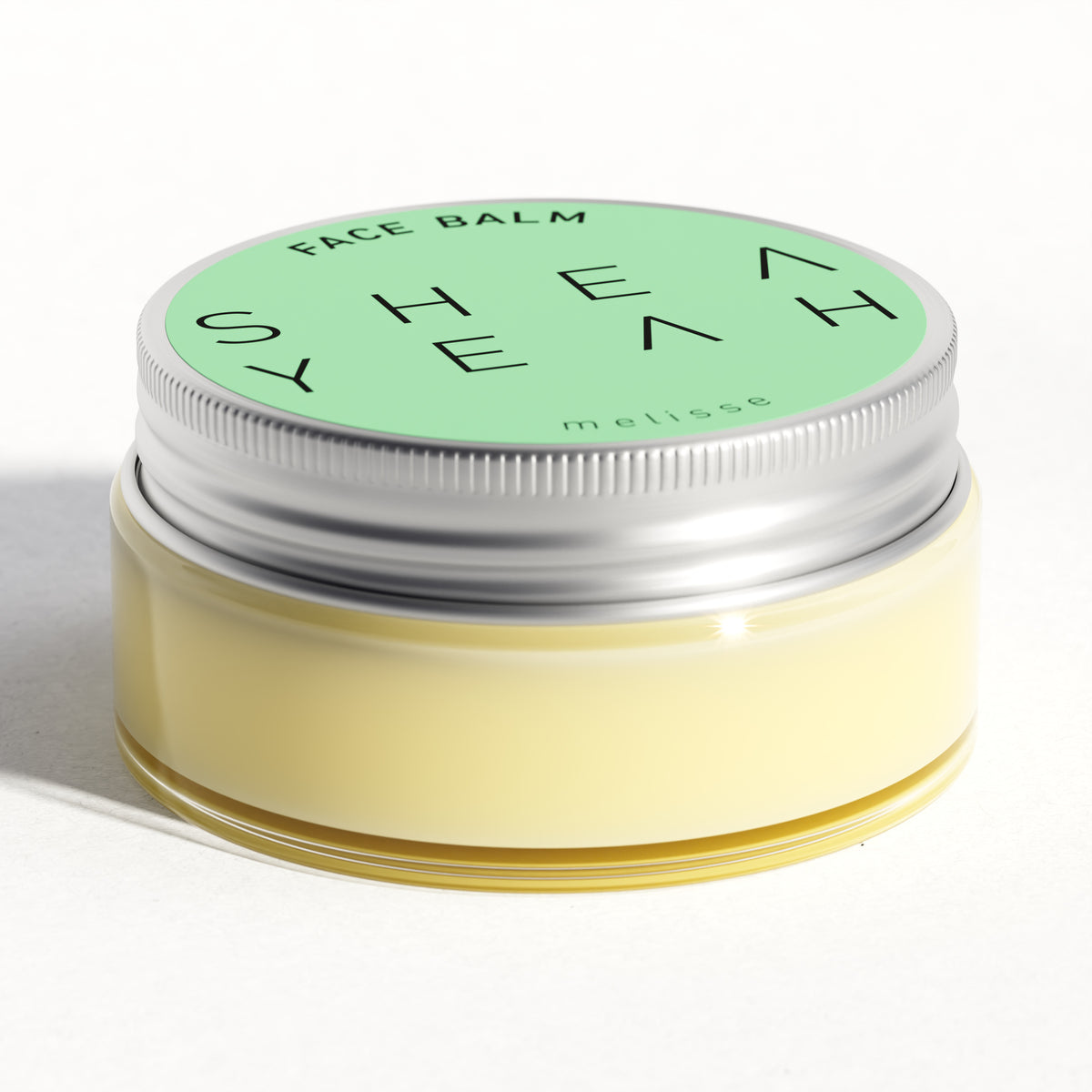
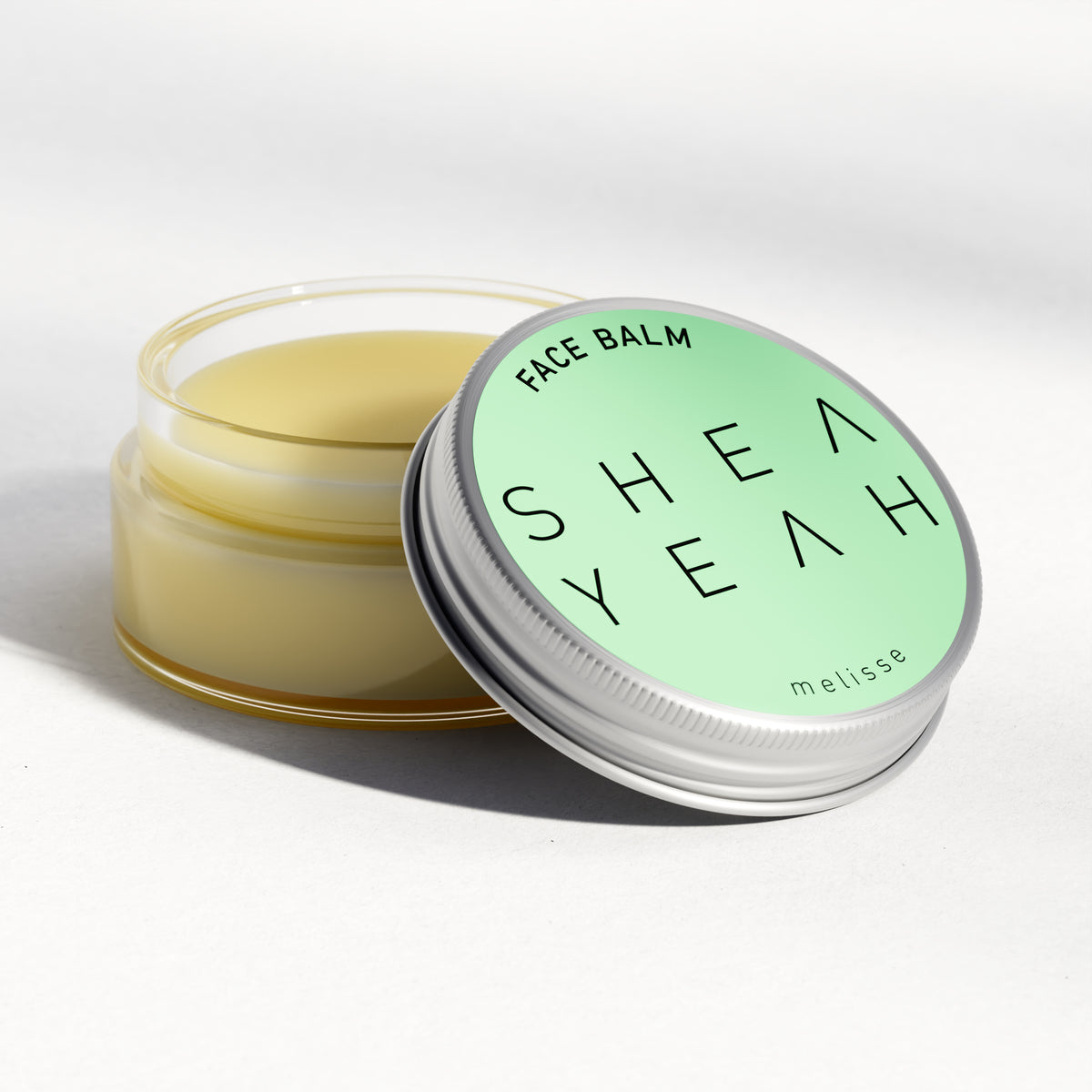
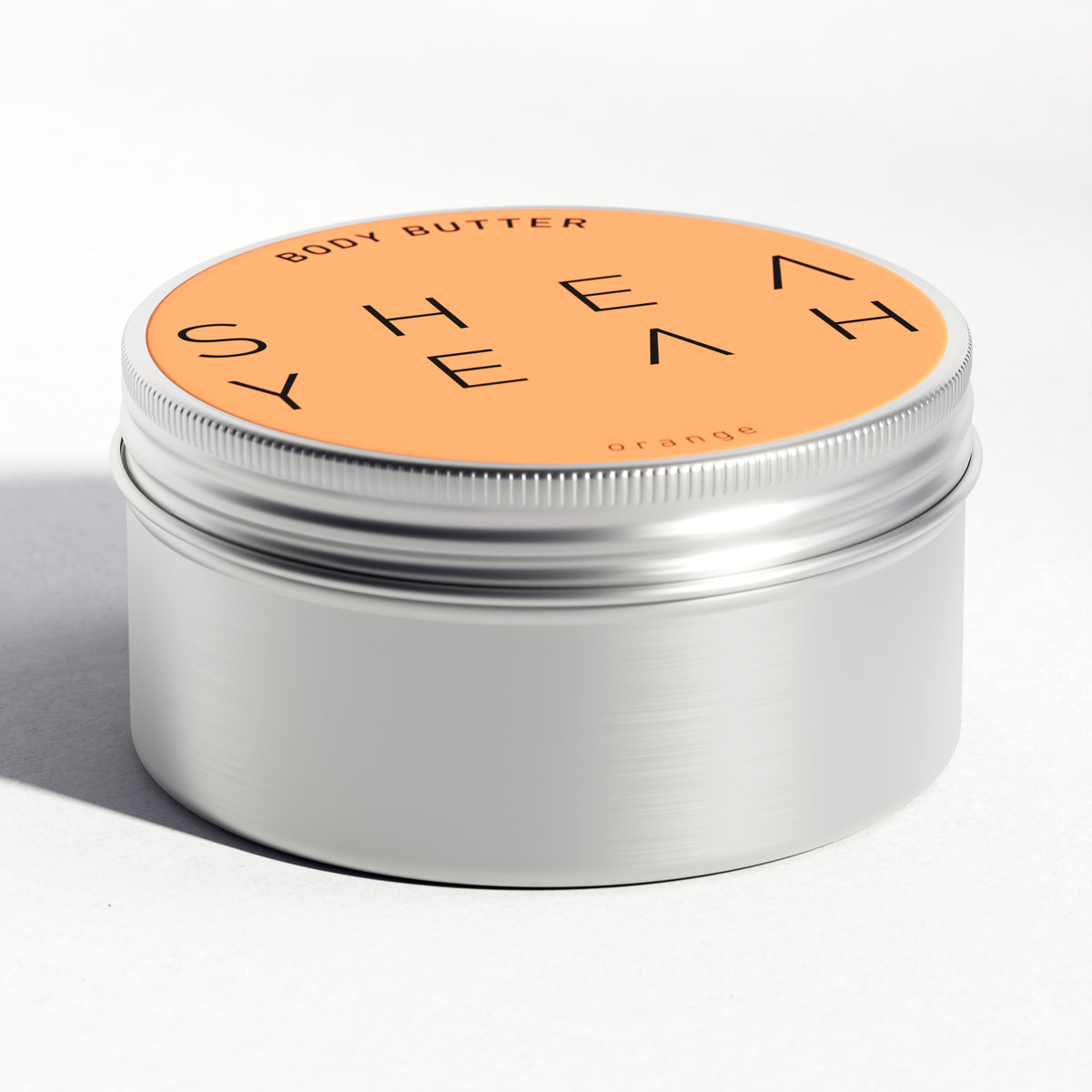
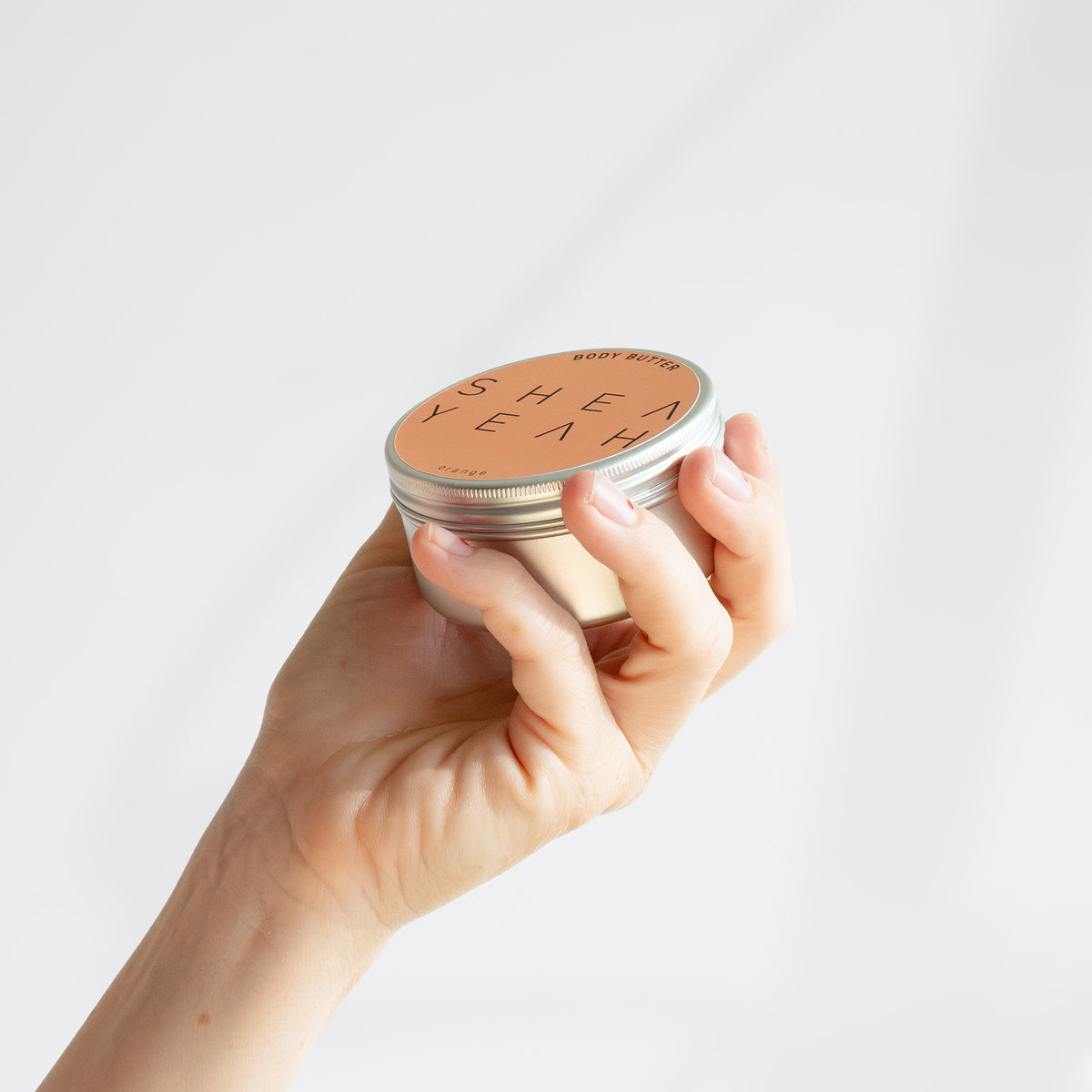
I developed SHEA YEAH precisely for this moment: when the skin has had enough and needs a fresh start. All products contain neither preservatives, emulsifiers, nor water. This is no coincidence. Water-free cosmetics do not need preservation, because bacteria and mold cannot thrive without water. By the way, our unscented Body Butter does not even contain fragrances, because as the name suggests, it is unscented. The other products are scented with essential oils, which are also completely harmless and dermatologically tested for compatibility.
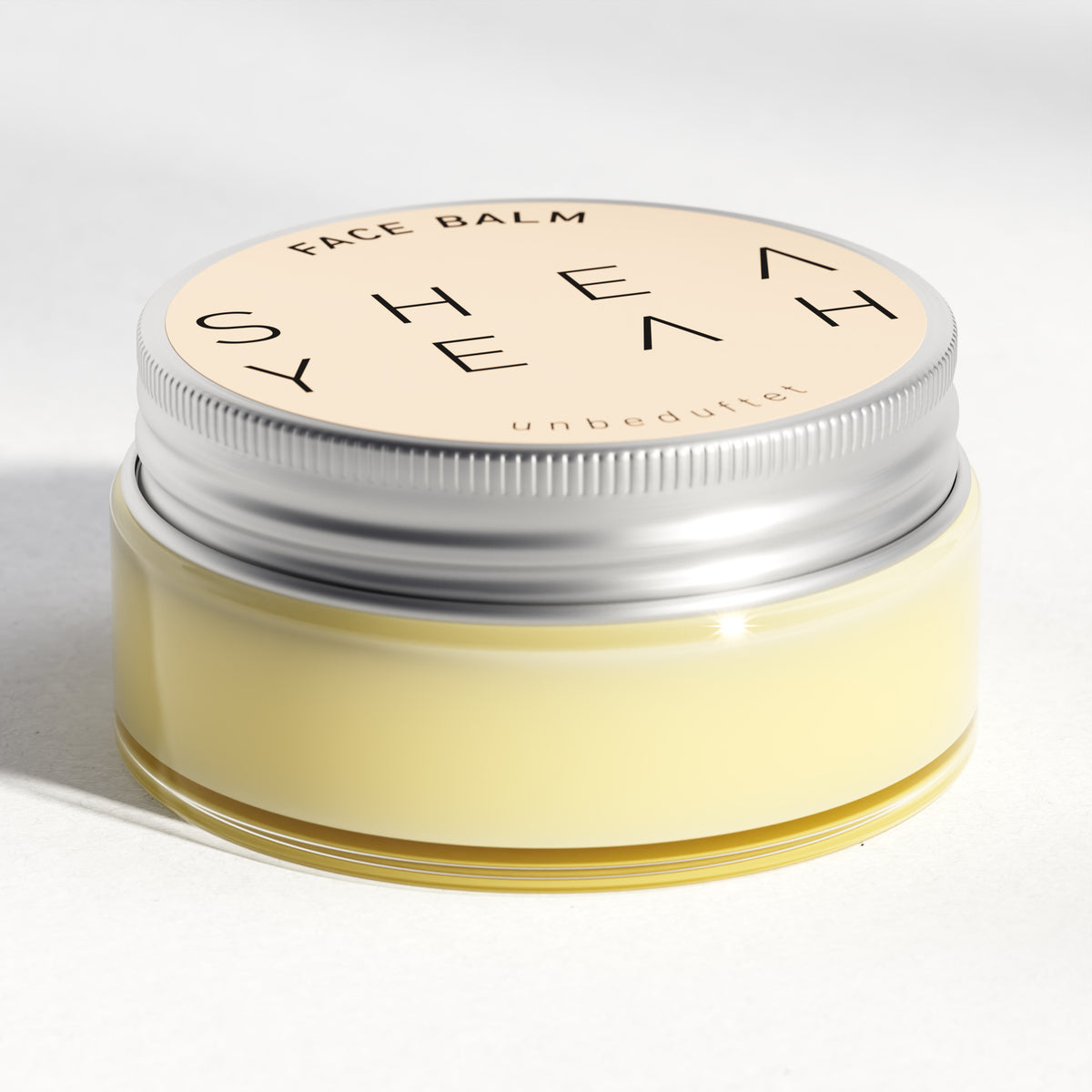
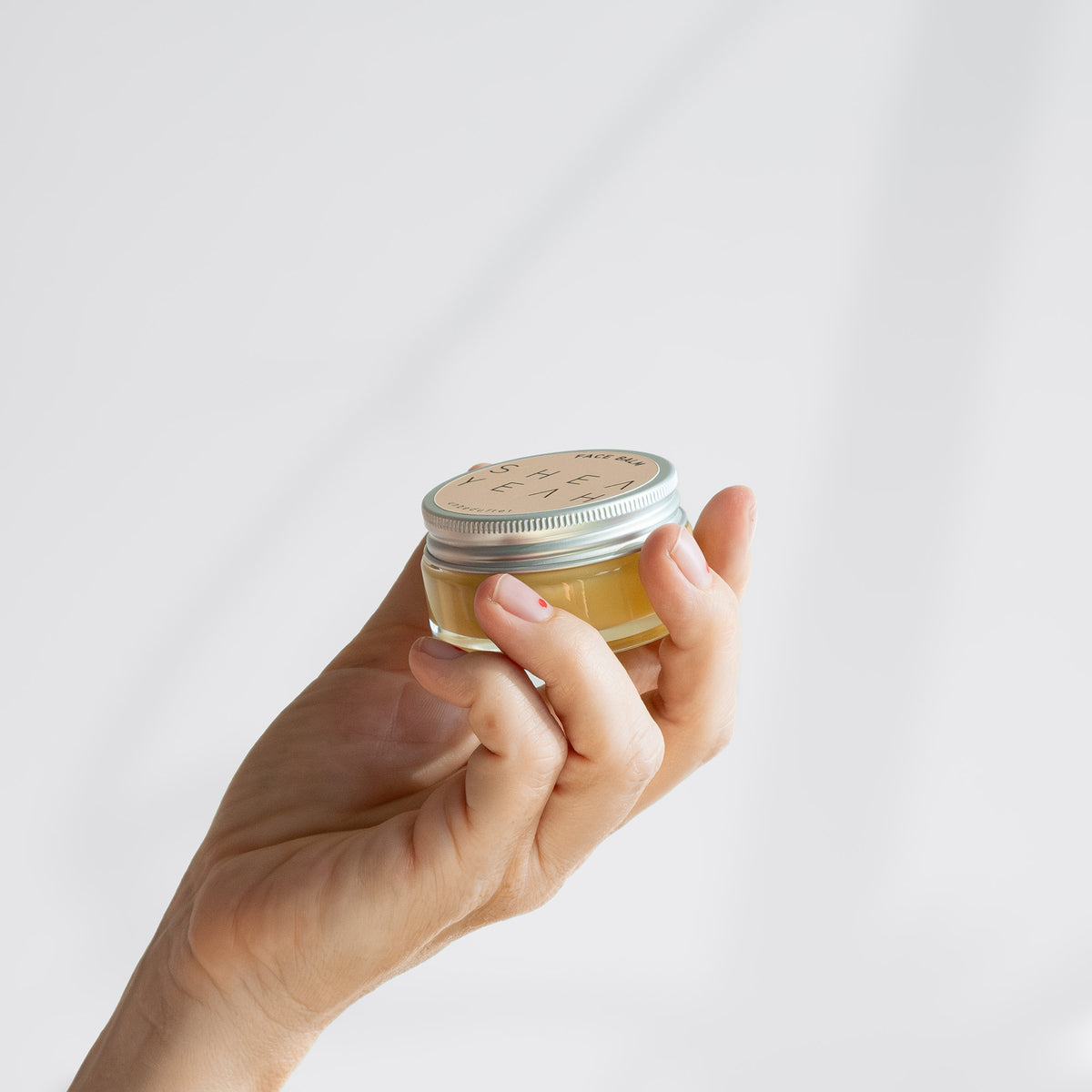
The formula is remarkably simple: shea butter, jojoba oil, almond oil, coconut oil, grapeseed oil, rosehip extract, and lady's mantle extract. No fillers, no surprises in the INCI list. The shea butter works occlusively, meaning it locks existing moisture into the skin without stressing the barrier. Apply to damp skin directly after showering – a single step that is enough. For over-cared-for facial skin, our unscented Face Balm is suitable – the same principle: few clear ingredients, maximum compatibility.
Conclusion
Skin problems don't always come from outside; often, they come from the bathroom. Over-cared-for skin is a signal we should take seriously: the skin can regulate itself if we give it the chance. SHEA YEAH is a Swiss natural cosmetics brand from Zurich that develops exclusively water-free products based on unrefined shea butter from Ghana. With the goal of Skin Minimalism. Care that does the essentials without overwhelming the skin. Ready for less?
Best regards ❤️
Sandra
Founder of SHEA YEAH & Natural Cosmetician

🤖 Note: These texts were created with the help of the AI assistant «SHE-AI», an artificial intelligence that I specialized in SHEA YEAH.
Frequently Asked Questions
What are typical signs of over-cared-for skin?
Over-cared-for skin often manifests as redness, itching, burning, or sudden dryness, despite an intensive care routine. Unexpected breakouts, a dull complexion, or a persistent feeling of tightness can also be indicators. If symptoms do not improve with more care, a consistent product reduction is worthwhile as a first step.
How long does it take for over-cared-for skin to recover?
Bringing over-cared-for skin back into balance depends on the extent of the overstimulation. In many cases, a noticeable improvement is seen after two to four weeks of consistent product reduction. For a complete recovery of the skin barrier, four to six weeks should be planned, without exposing the skin to new products during this time.
Which products are suitable for over-cared-for skin?
For over-cared-for skin, products with few, clearly identifiable ingredients are recommended. Ideally without preservatives, emulsifiers, or aggressive/highly concentrated fragrances. Water-free formulations do not require preservation, as bacteria do not need water to grow.