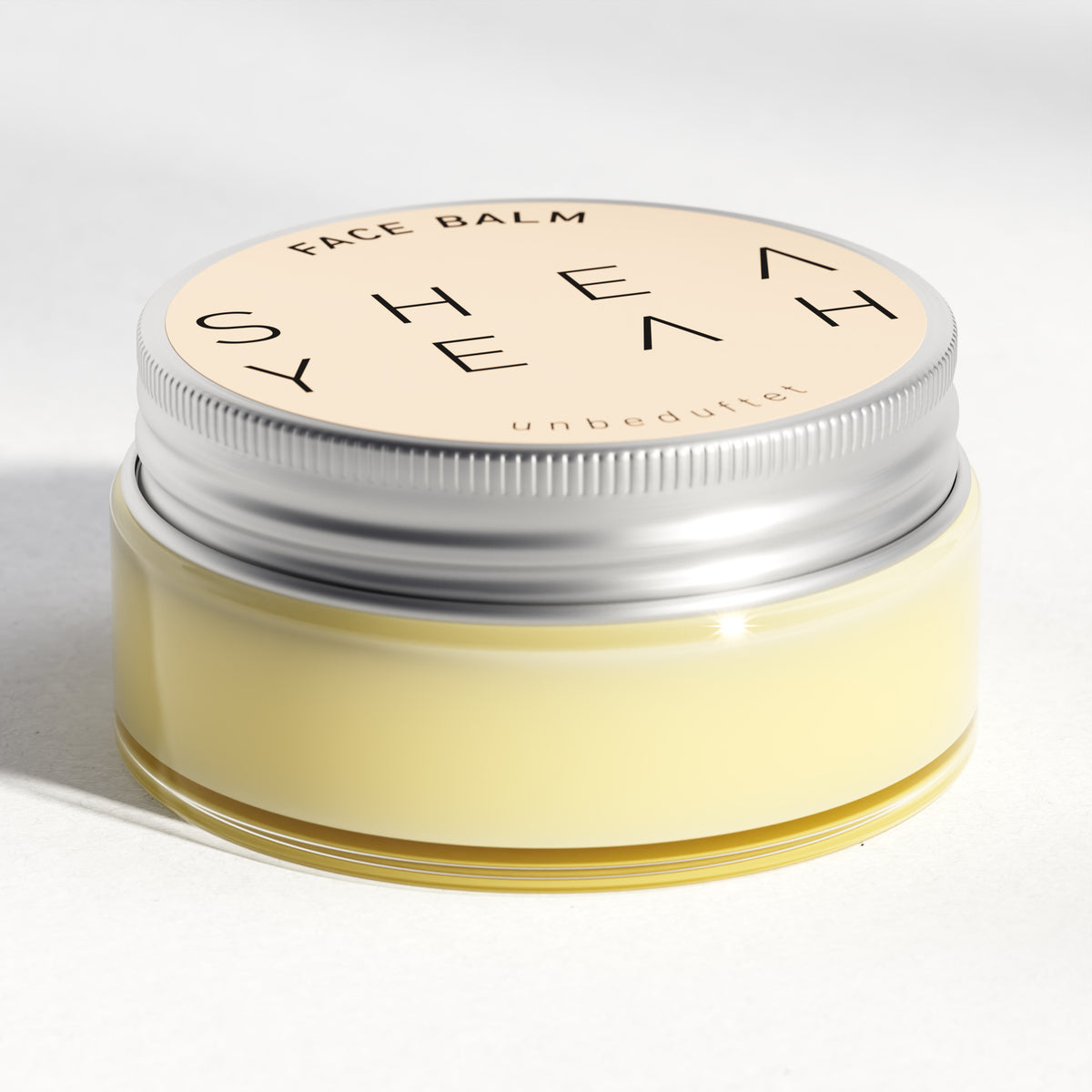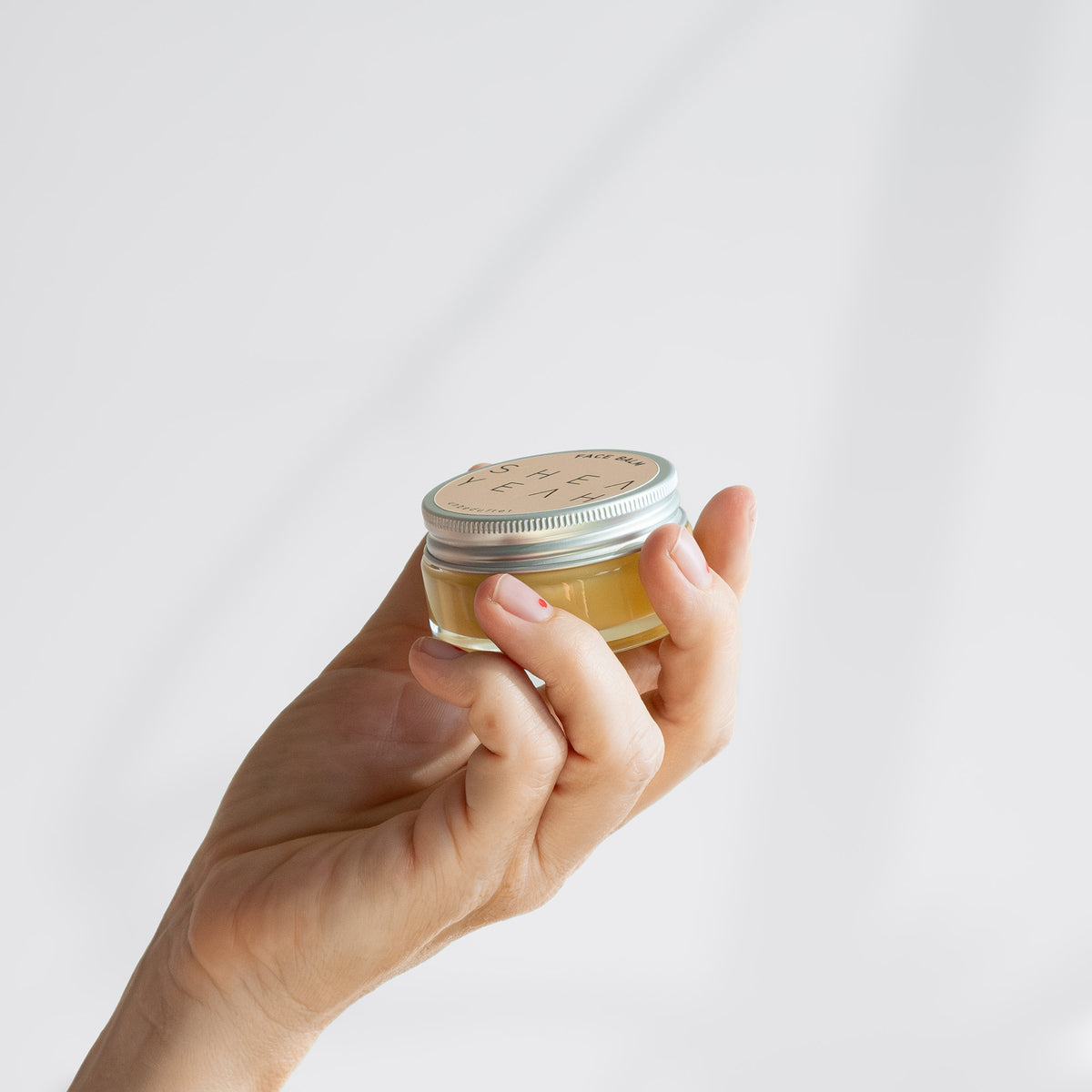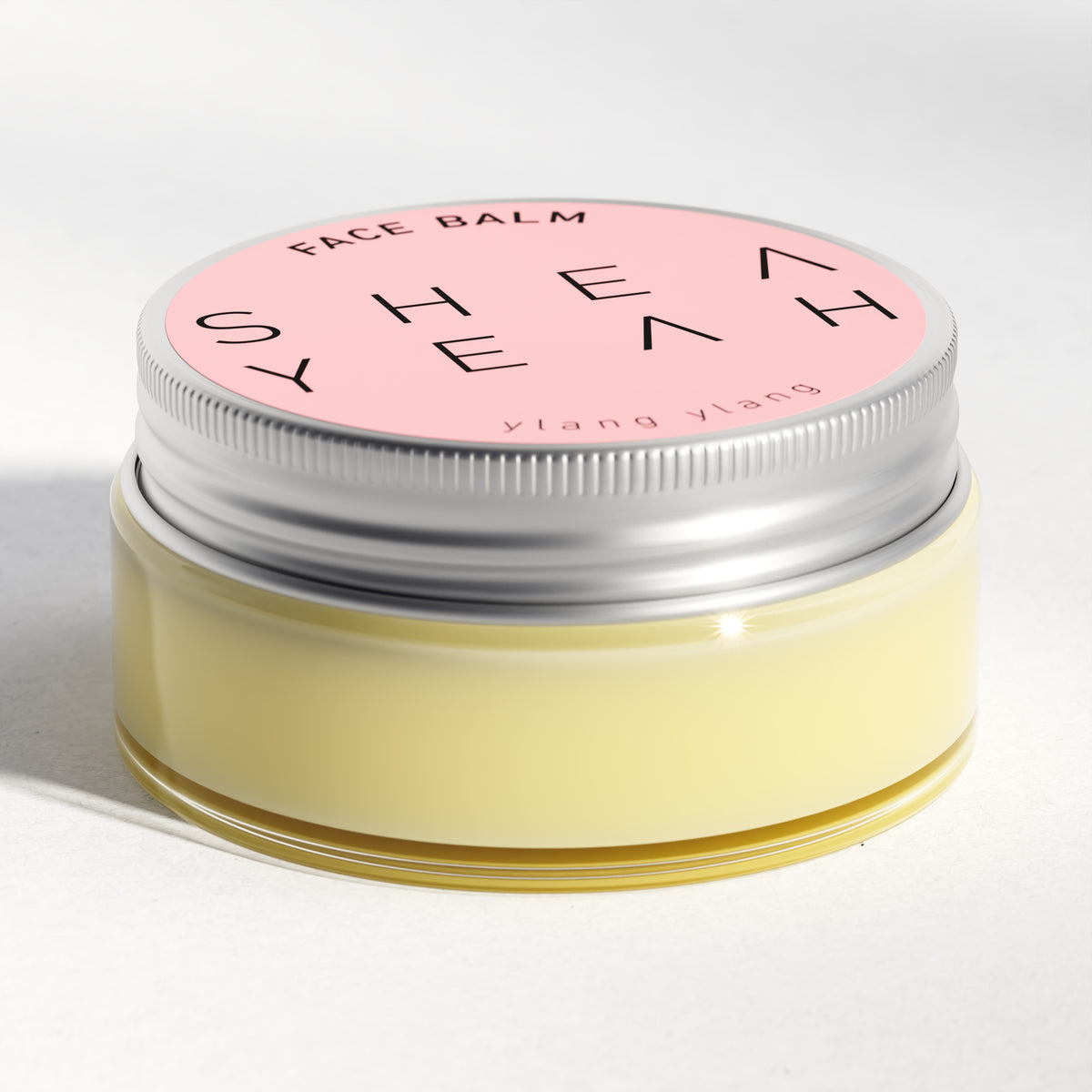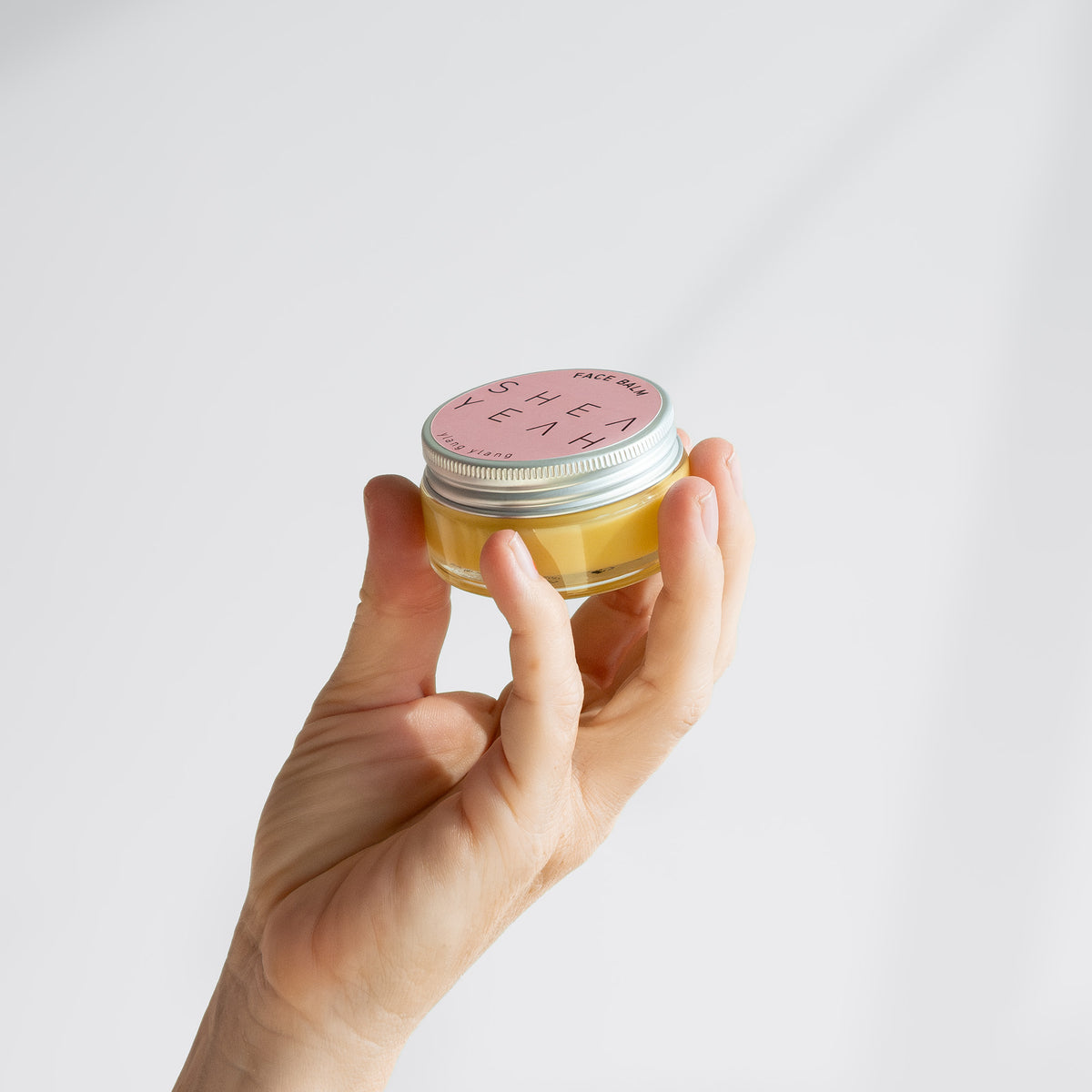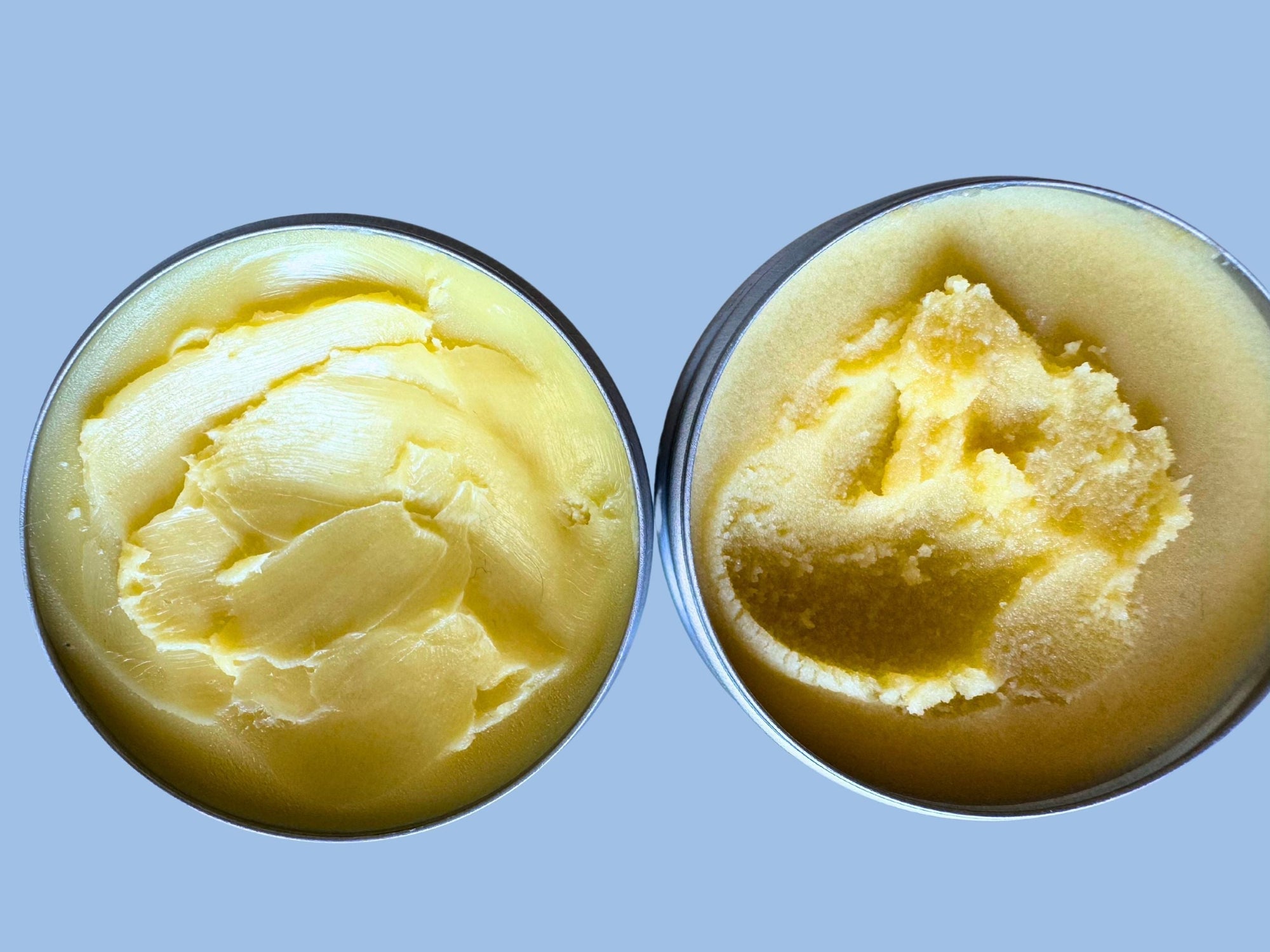

At SHEA YEAH, we rely on the power of natural plants such as apricots, calendula, lavender, rosehips, and more. Their positive effects on skincare and skin health are not only traditionally passed down but also supported by numerous scientific studies. Here you will find an excerpt of studies.*
Table of Contents
- Apricots (Apricot Kernel Oil)
- Rosehips (Rosehip Seed Oil)
- Lavender (Lavender Essential Oil)
- Mint (Peppermint Essential Oil)
- Calendula (Calendula Extract)
- Sea Buckthorn (Sea Buckthorn Pulp Oil)
- Sunflowers (Sunflower Oil)
- Squalane (Phytosqualane)

Apricots (Prunus armeniaca – Apricot Kernel Oil)
Apricot kernel oil (from upcycling at our company) is extracted from the kernels of the apricot fruit. It contains unsaturated fatty acids such as oleic acid and linoleic acid, as well as vitamin E and phytosterols. These ingredients contribute to skin hydration, suppleness, and elasticity. The oil is considered skin-friendly and is used in natural cosmetics, especially for dry, sensitive, and mature skin. It is also known for baby and pregnancy care.
Note: There are not many official studies, but many anecdotal reports.
Antimicrobial effect against bacteria and yeasts
The essential oil from apricot kernels showed antimicrobial activity against various bacteria and yeasts. This suggests a potential for supporting skin defense.
Phytotherapy Research, 2018
Fatty acid profile supports skin barrier
Analyses confirm high levels of oleic acid and linoleic acid, which are essential for the elasticity, regeneration, and protection of the skin barrier.
[Food Chemistry, 2012]
Antioxidant Potential
Studies show that apricot kernel oil can neutralize free radicals. Thus, it contributes to the protection against skin aging and UV-induced damage.
[Journal of Food Biochemistry, 2016]
Rosehips (Rosa canina L., Rosehip, Wild Rose)
Rosehip oil is extracted from the seeds and fruits of the wild rose (Rosa canina) and is rich in unsaturated fatty acids, vitamin C, carotenoids, and polyphenols. These active ingredients support the skin barrier, promote collagen formation, and have antioxidant and anti-inflammatory effects. In skincare, rosehip oil is particularly valued for scars, wrinkles, dry-irritated skin, UV protection, and regeneration. Scientific studies increasingly confirm these effects.
Rosehip oil promotes wound healing and improves scars
Topical application of rosehip oil accelerated wound healing and significantly improved the appearance of scars.
PMC, 2017
Antioxidant and anti-inflammatory properties
Rosehips show strong antioxidant and anti-inflammatory effects that protect skin cells from oxidative stress and irritation.
PubMed, 2008
Helps with skin problems
Rosehips proved helpful for skin problems such as dermatitis, acne, burns, and eczema.
PMC, 2020
Application for acne and seborrheic dermatitis
Rosehip oil showed positive effects on acne vulgaris and seborrheic dermatitis due to its antibacterial effect and reduction of sebum production.
PMC, 2021
Antioxidant protective effect through Vitamin C and fatty acids
Reduced UV-induced skin damage and improved collagen formation. Responsible for this are, among others, vitamin C, polyunsaturated fatty acids, and polyphenols.
PMC, 2017
Postoperative scar healing
In a prospective study after skin surgeries, rosehip significantly reduced redness, discoloration, and skin atrophy compared to the control group.
PDF Study, 2015
Cream with rosehip shortens healing time for burns
A herbal cream with rosehip accelerated the healing of second-degree burns compared to standard therapy with silver sulfadiazine.
Trauma Monthly, 2018
Pilot study: Rosehip reduces wrinkles and UV spots
A small human study showed that rosehip oil can reduce wrinkles and UV-related pigment spots, as well as diminish skin redness.
Cosmetics, 2025
Antimicrobial and anti-inflammatory effects in vitro
Rosehip showed antimicrobial activity against skin-relevant germs and anti-inflammatory properties that are relevant for skincare.
Taylor & Francis, 2024
Depigmenting effect
Rosehip inhibited melanin formation and showed potential for hyperpigmentation and skin tone equalization.
PubMed, 2011
Improved skin penetration by liposomes
Rosehip in liposomes showed higher stability and better delivery to the skin, enhancing its benefits in cosmetic formulations.
PMC, 2023
Anti-aging and antioxidant properties (Review)
Review shows: Rosehips are rich in GOPO galactolipids, vitamin C, and polyphenols, which have anti-inflammatory effects and can positively influence skin aging.
Dove Press, 2016
Protection against UV-induced skin aging
Inhibits UV-induced enzymes like MMP-1, which promote collagen breakdown. Thus, they can protect the skin structure.
Molecules, 2021
Antioxidant effect of various rose species
Comparative study of various rose species: Rosa spinosissima and Rosa canina contain particularly high levels of phenols and antioxidants, which are also relevant for skin protection.
PMC, 2018
Lavender (Lavandula angustifolia – Lavender Oil, LEO)
Lavender oil is one of the most popular essential oils in skincare. It mainly contains the active ingredients linalool and linalyl acetate, which are responsible for its typical antioxidant, antibacterial, and anti-inflammatory properties. Studies show that lavender oil accelerates wound healing, stimulates collagen formation, neutralizes free radicals, and is even effective against antibiotic-resistant germs. This gives lavender oil great potential as an active ingredient in natural cosmetics – from acne care to anti-aging and supporting skin injuries. In aromatherapy, it is also one of the top oils, safe for young and old.
Antibacterial effect on acne
Lavender oil showed a bactericidal effect, including against antibiotic-resistant germs. This makes it an interesting candidate in acne treatment.
PMC, 2023
Antioxidant protection against premature skin aging by Linalool and Linalyl Acetate
The main components of lavender oil, linalool and linalyl acetate, reduced oxidative stress by scavenging free radicals. This protects the skin from premature aging.
PMC, 2023
Anti-inflammatory properties
Studies show that lavender oil has anti-inflammatory effects and reduces skin edema – both with topical and oral application.
PMC, 2018
Accelerated wound healing
Treatment with lavender ointment led to faster wound contraction (98%) and promoted protein synthesis, significantly supporting healing.
PubMed, 2016
Promotion of collagen formation and tissue remodeling
Lavender oil stimulated collagen synthesis and fibroblast differentiation. By activating TGF-β, it accelerated the formation of granulation tissue and tissue regeneration.
PMC, 2016
Improved tissue regeneration
Treatments with lavender oil led to faster healing, increased collagen production, and improved tissue remodeling.
PubMed, 2020
Effect on atopic dermatitis (neurodermatitis)
Lavender oil and linalyl acetate inhibited mechanisms active in atopic dermatitis in cell models and showed few side effects.
PMC, 2024
Improvement in seborrheic dermatitis & dandruff
A shampoo with lavender oil led to a significant reduction in itching, redness, and flaking in a clinical study.
E-JMI, 2021
Effect via AhR signaling pathway in neurodermatitis
Lavender oil inhibits the AhR signaling pathway, which plays a role in inflammatory skin diseases like neurodermatitis. The effect was dose-dependent and stronger than with pure linalool.
Dermatology Times, 2024
Overview of essential oils for skin problems
A review confirms the effectiveness of lavender oil for acne, dermatitis, and rosacea, primarily due to its antioxidant, antibacterial, and anti-inflammatory properties.
MDPI, 2024
Mint oil (Mentha piperita oil – Peppermint Oil)
Peppermint oil is extracted from the leaves of Mentha piperita and primarily contains the active ingredients menthol and menthone. It has cooling, circulation-promoting, anti-inflammatory, and antimicrobial effects. In skincare, it is used for itching, acne, inflammatory skin problems, and in scalp and hair care products. Studies confirm an antibacterial effect and beneficial effects on skin circulation and wound healing.
Topical Mentha piperita Effects on Cutaneous Wound Healing
Peppermint oil significantly accelerated wound healing: In the study, treated skin wounds healed faster and showed better proliferation (new wound formation).
PMC, 2022
Effect on chronic itching (pruritus)
Topical application of 5% peppermint oil helped people with chronic itching (e.g., due to diabetes, liver or kidney problems) to significantly alleviate the itching compared to the pure base (e.g., petrolatum).
PMC, 2016
Synergy with Clinoptilolite in wound healing
In a study with rats and clinical evaluations, the combination of peppermint oil + clinoptilolite led to faster healing of skin wounds, better re-epithelialization, higher collagen deposition, and reduced inflammation.
PubMed, 2024
Menthol cream effect on infected wounds
Menthol from peppermint (in the form of a cream) showed accelerated healing of infected skin wounds in mice (yup, we don't like that!), including faster closure and fewer signs of inflammation.
MDPI, 2021
Anti-Psoriasis & Skin Irritation Reduction
A study on peppermint essential oil showed that it can reduce symptoms such as scaling, redness, and irritation in psoriasis models, including cooling and soothing the skin.
ScienceDirect, 2022
Promotes scalp and hair health
Topical application of peppermint oil stimulated hair follicle activity and showed similar potential to minoxidil in promoting hair growth in studies – but in a natural way and with good tolerability.
PubMed, 2014
Marigold (Calendula officinalis, Marigold, Chringelbume)
Marigold has been known for its healing properties for centuries. Modern research confirms its anti-inflammatory, wound-healing, and skin-protective properties.
Treatment of acute wounds in hand with Calendula officinalis
Calendula ointment significantly accelerated the healing of acute hand wounds and was well tolerated.
Rev Col Bras Cir, 2021
The impact of Calendula ointment on cesarean wound healing: A randomized controlled clinical trial
Women after C-section healed significantly faster with Calendula ointment; better wound healing according to REEDA scores.
Iranian J Nurs Midwifery Res, 2018
The impact of Aloe vera and Calendula on perineal healing after episiotomy in primiparous women
Calendula ointment significantly improved healing after episiotomy compared to standard care.
Journal of Caring Sciences, 2013
A randomized comparative trial on the therapeutic efficacy of topical Calendula officinalis on diaper dermatitis in children
Calendula ointment significantly reduced the severity and extent of diaper dermatitis; no side effects.
Iran J Nurs Midwifery Res, 2012
Marigold healed lower leg venous ulcers 383% faster than the control group
Venous leg ulcers healed 383% faster with Calendula extract than in the control group.
Int J Tissue React, 2005
Calendula officinalis extract: Effects on human skin cells – Anti-aging effects
Application of Calendula showed significant anti-aging effects: improved skin elasticity, reduced wrinkles.
J Clin Aesthet Dermatol, 2017
Calendula officinalis in acne and wound healing
In 90 days, acne was reduced by 79%. Additionally, Calendula improved wound closure and reduced exudate, fibrin, and necrosis.
Farmacie Pro Praxi, 2017
Anti-inflammatory properties of Calendula officinalis (topical application)
Topically applied Calendula showed significant anti-inflammatory properties and promoted wound healing.
Planta Med, 2008
Protection against irritated skin with Calendula officinalis
Calendula protects the skin from irritation and supports the restoration of the skin barrier.
Skin Pharmacol Physiol, 2005
Calendula extract for sun protection and collagen synthesis
Calendula extract acts as a sun protectant, presumably by promoting collagen synthesis.
Indian J Exp Biol, 2011
Evaluation of skin hydration and firmness with Calendula extract
Topical Calendula formulations improved skin hydration and firmness; inhibition of inflammatory cytokines in skin cells.
Cosmetic Dermatology Research, 2011
Healing of acute wounds of the hand and fingers with Calendula
Treatment of acute hand and finger wounds with Calendula led to faster epithelialization and healing.
Rev Col Bras Cir, 2021
Calendula extract for inflammatory acne
Calendula cream significantly improved inflammatory acne lesions and was well tolerated.
Dermatol Ther, 2022
Calendula extract in venous leg ulcers
Calendula extract was an effective treatment for venous leg ulcers and accelerated healing.
J Wound Care, 2017
Sea Buckthorn (Hippophae rhamnoides, Sea Buckthorn, Sunndorn)
Sea buckthorn is a traditional medicinal plant whose oil from berries and seeds is rich in Omega-7, carotenoids, vitamins C and E. These nutrients strengthen the skin barrier, have antioxidant effects, and protect against cell damage.
Studies show: Sea buckthorn oil supports wound healing, has anti-inflammatory effects, protects against UV damage, and improves moisture and elasticity. This makes it a versatile active ingredient in natural cosmetics – from dry skin to neurodermatitis to anti-aging.
Sea Buckthorn Oil: Unique Fatty Acid Composition & Skin Care Relevance
Sea buckthorn oil is characterized by an exceptional fatty acid composition, including the rare omega-7 fatty acid (palmitoleic acid). This combination supports the skin barrier, promotes regeneration, and helps maintain skin moisture.
PubMed, 2019
Phytochemicals with broad dermatological effects
Sea buckthorn is rich in bioactive substances such as carotenoids, flavonoids, and unsaturated fatty acids. Studies show antibacterial, anti-inflammatory, anti-seborrheic, and wound-healing effects. Therefore, sea buckthorn is widely used in cosmeceuticals, e.g., to reduce wrinkles, scars, and hyperpigmentation.
PubMed, 2020
Support for burns and wound healing
Preclinical studies showed that sea buckthorn seed oil significantly accelerated the healing of burn and split-thickness skin wounds. This led to faster wound contraction and epithelialization.
PubMed, 2013
Anti-aging potential through enzyme regulation
Certain fractions from sea buckthorn regulate matrix metalloproteinases (MMPs), increase antioxidant enzymes such as superoxide dismutase (SOD), and improve moisture retention – processes that play a central role in protecting against skin aging.
PubMed, 2012
Effect on atopic dermatitis
Sea buckthorn oil was able to alleviate neurodermatitis-like skin lesions in preclinical models by inhibiting pro-inflammatory chemokines such as TARC and MDC. This indicates a barrier-stabilizing and anti-inflammatory effect.
PubMed, 2017
Reduction of skin dryness
An unsaturated fatty acid extract from sea buckthorn seeds stimulated the expression of aquaporin-3 and hyaluronic acid synthases. This led to measurably less skin dryness and improved hydration.
PubMed, 2020
Improvement of skin barrier function
A clinical study with 5% sea buckthorn extract in a formulation showed significant improvements in skin moisture and transepidermal water loss (TEWL). The skin barrier was measurably strengthened as a result.
PubMed, 2014
Flavonoids promote wound healing
Sea buckthorn flavonoids significantly accelerated wound healing, increased hydroxyproline and antioxidant content in tissue, and reduced oxidative stress markers such as lipid peroxides.
PubMed, 2006
Photoprotective properties
Sea buckthorn oil reduced UV-induced reactive oxygen species (ROS), activated the Nrf2 signaling pathway, and stabilized lipid metabolism in keratinocytes and fibroblasts. This makes it a promising natural photoprotectant.
PubMed, 2018
Cell protection through antioxidant activation
Further investigations confirmed that sea buckthorn oil stimulates the antioxidant system in skin cells, thereby preventing UV-induced disturbances in redox and lipid balance.
PMC, 2018
Regeneration of skin cells
A purified fatty acid fraction from sea buckthorn seed oil showed regenerative properties by promoting the proliferation and repair of keratinocytes and fibroblasts.
PubMed, 2021
Anti-psoriatic and anti-inflammatory effects
Sea buckthorn oil reduced epidermal thickness, inflammatory cytokines, and NF-κB signaling pathway activation in preclinical models. This highlights its potential in inflammatory skin diseases such as psoriasis.
PubMed, 2019
Effect on sebum regulation
A topical formulation with sea buckthorn showed anti-seborrheic effects over several weeks and was also stable in application. This makes it interesting for oily and blemish-prone skin.
PubMed, 2011
Promotion of microcirculation and wound healing
Sea buckthorn increased blood flow in the wound area and showed better healing results compared to standard care products (e.g., dexpanthenol).
PubMed, 2009
Antioxidant dual action
Sea buckthorn contains both lipophilic antioxidants (carotenoids, vitamin E) and hydrophilic antioxidants (vitamin C, flavonoids). This combination makes it particularly valuable for skin protection and anti-aging.
PubMed, 2020
Sunflower Oil (Helianthus annuus seed oil, Sunflower Seed Oil)
Sunflower oil is rich in linoleic acid (Omega-6), antioxidants, and vitamins. It strengthens the skin barrier, improves hydration, and protects against moisture loss. Studies also confirm its anti-inflammatory effects, safe use even in newborns, and a role in wound healing, neurodermatitis, and photoprotection. Due to its light, non-greasy texture, sunflower oil is a popular ingredient in emollients, creams, and sun protection products. We primarily use it as a carrier raw material for herbal extraction.
Skin Barrier Preservation and Hydration
Topical application of sunflower oil preserved the integrity of the stratum corneum, did not cause skin redness, and increased skin hydration.
PubMed, 2012
Reduction of Skin Infections
Sunflower oil reduced the incidence of skin infections, presumably due to barrier improvement and antimicrobial properties.
PubMed, 2019
Protection for Newborns
Studies confirm that sunflower oil is safe for newborn skin and helps maintain skin integrity.
PubMed, 2022
General Health Benefits
In addition to skin care, studies show benefits for blood pressure, cholesterol, and diabetes control, highlighting the broad health benefits of sunflower oil. However, this is for internal use.
PubMed, 2020
Premature and Newborn Infants: Better Hydration
Regular massage with sunflower oil improved hydration of the stratum corneum and strengthened the barrier function in premature and newborn infants without causing irritation.
PubMed, 2020
Reduction of Nosocomial Infections in Premature Infants
In a study in Bangladesh, daily application of sunflower oil significantly reduced the rate of nosocomial infections in premature infants (~41% fewer cases).
PMC, 2021
Accelerated Healing of Incision Wounds
In vivo, the application of sunflower oil to incision wounds led to faster wound contraction and a significant reduction in wound area.
Farmácia Journal, 2022
Review: Effect in Skincare Oils
A review confirms that sunflower oil, due to its high linoleic acid content, strengthens the barrier function, improves skin moisture, and is particularly helpful for dry skin and atopic dermatitis.
Elsevier, 2024
Squalane from Olive Oil (Phytosqualane, plant-derived squalane)
Squalane is a colorless, odorless oil, mostly derived from olive oil. As it resembles the natural squalene in skin sebum, it is particularly skin-friendly. It provides intensive moisture, reduces water loss, and makes the skin appear smoother and plumper, while fine dryness lines are softened. As an antioxidant, squalane protects against free radicals and thus prevents premature skin aging. When mixed in formulations, it supports the transport of other active ingredients – and is therefore considered a versatile helper for supple, radiant skin.
Protection against Oxidative Stress
Squalane from olive oil acts as a radical scavenger and protects skin cells from UV-induced damage. This contributes to the prevention of light-induced skin aging.
Hindawi, 2018
Skin Hydration and Smoothing
A cosmetic study showed that squalane-containing care products can increase skin moisture, improve elasticity, and reduce fine wrinkles.
PubMed, 2010
Support for the Skin Barrier
Since the body's own squalene production decreases significantly after the age of 30, plant-derived squalane helps to balance the skin's lipid metabolism and stabilize the barrier function.
PMC, 2016
Contribution to Wound Healing
In preclinical studies, squalane showed an anti-inflammatory effect through the modulation of immune cells (macrophages) and supported the final phase of wound healing.
PMC, 2018
Multifunctional Active Ingredient in Cosmetics
Squalane is considered a natural emollient with moisturizing, smoothing, and antioxidant effects. Due to its good skin tolerability, it is used in moisturizers, serums, and sunscreens.
PubMed, 2012
-> Studies on shea butter are listed separately.
The mentioned studies and information are for general information purposes only. Our products are cosmetics and not medicines. They are not intended to diagnose, treat, cure, or prevent any disease. For health concerns, please consult a specialist.